
Key Takeaways
- Blue light glasses claim to reduce eye strain, improve sleep, and protect your eyes from screens.
- Digital eye strain usually comes from less blinking, close focus, and glare, not blue light itself.
- Research on blue light glasses shows mixed results for both eye strain and sleep.
- Simple habits like the 20-20-20 rule can help more than a tinted lens.
- An eye exam can help identify the actual cause of your symptoms.
Your eyes feel tired by the end of a workday spent staring at a screen. Your head aches, your vision blurs a little, and someone tells you a pair of blue light glasses can fix it. Before you spend your money, our team at Vivid Eye Care can help you know what these glasses actually do.
Blue light glasses may offer some comfort for certain people, but research does not confirm they reduce eye strain or improve sleep in a measurable way. The symptoms people blame on blue light often come from other screen habits altogether.
What Are Blue Light Glasses Meant to Do?
Blue light surrounds you every day. The sun gives off the largest amount of it, and your body has adapted to that exposure for a long time. Screens, LED bulbs, and fluorescent lighting add smaller amounts of blue light to your day, especially if you work indoors under artificial lighting or spend hours on a phone or laptop.
Manufacturers market blue light glasses with a few common claims. Here’s what people often hope these glasses can do:
- Reduce eye strain from screen use
- Improve sleep quality by limiting blue light exposure at night
- Protect your eyes from long-term screen exposure
Do Blue Light Glasses Reduce Eye Strain?
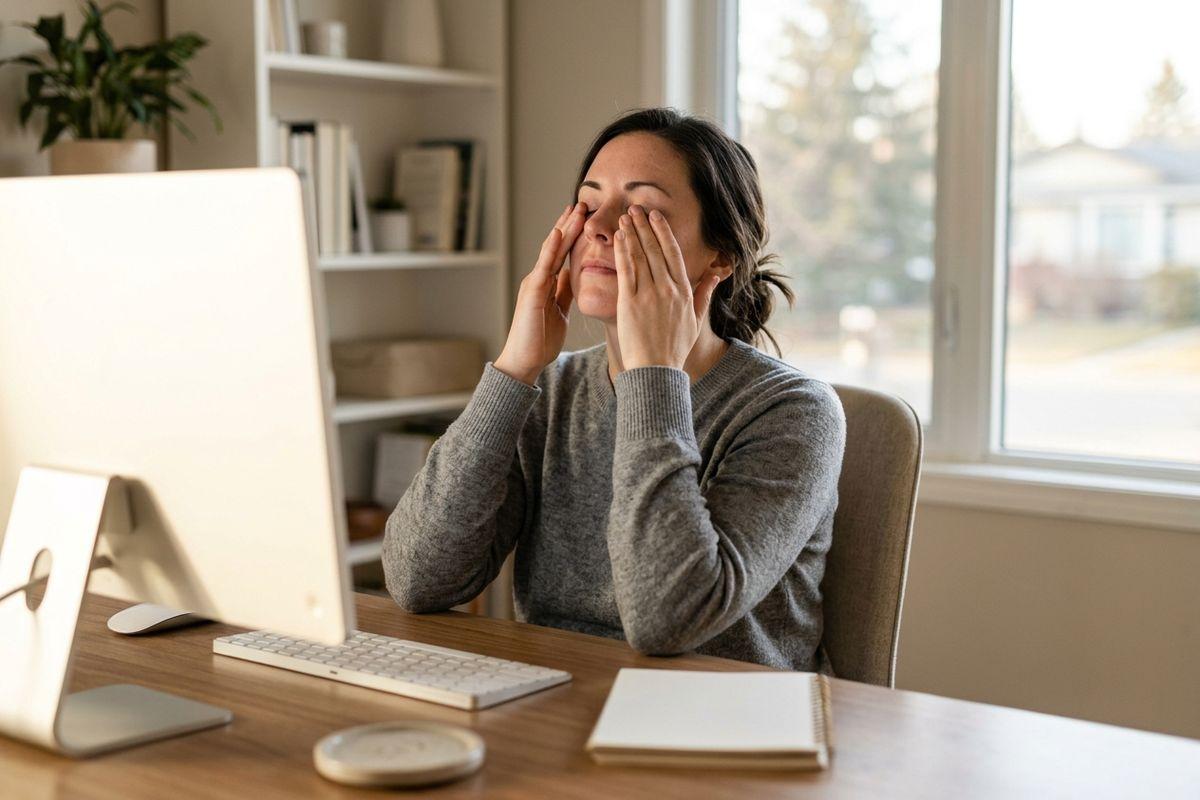
Screen time comes with real discomfort, but blue light usually isn’t the source. When you focus on a screen, you blink less often than usual. That reduced blinking dries out your eyes faster than you’d expect. Add in hours of close focus and glare from overhead lighting or windows, and your eyes end up working harder than they’re used to.
Digital eye strain shows up in a few recognizable ways. Watch for these signs after a long stretch at your computer or phone:
- Dry or watery eyes
- Headaches and blurred vision
- Tension in your neck and shoulders
None of these symptoms trace back to blue light on their own. They connect to how you use your screen, not the light it emits.
Can Blue Light Glasses Help You Sleep Better?
Evening blue light exposure has a documented link to melatonin, the hormone that helps regulate your sleep cycle. Some research suggests that screen use before bed can delay melatonin release, which may affect how quickly you fall asleep.
However, studies testing blue light glasses specifically show mixed results. Some participants report better sleep, while others show no measurable change compared to people wearing clear lenses. Sleep habits carry more weight than a lens tint. Keeping a consistent bedtime, dimming your lights, and putting your phone away before bed can help more than a pair of glasses marketed for evening wear.
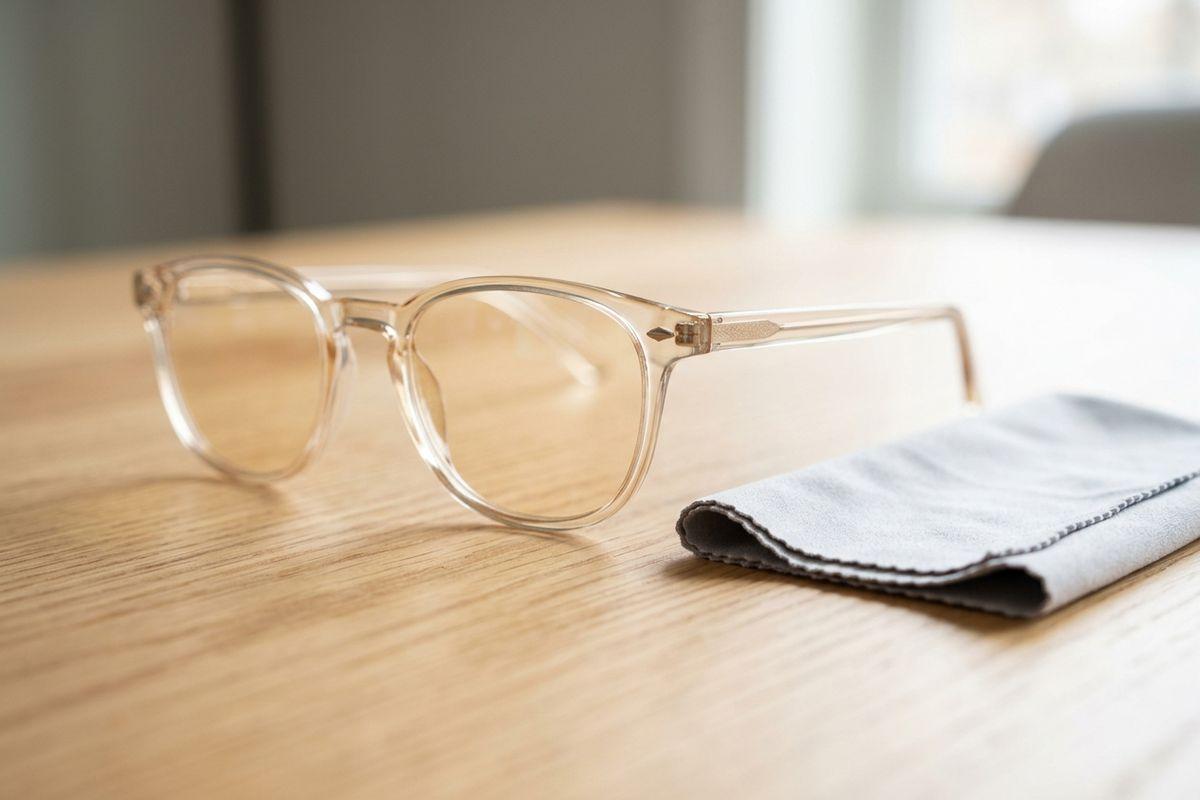
Clear-framed eyeglasses resting on a wooden table beside a folded grey cleaning cloth.
What Does the Research Really Say?
Is It Just a Placebo Effect?
People who wear blue light glasses often report feeling better after using them. That feeling matters, but it doesn’t always match what researchers find. Studies comparing blue light lenses to clear lenses frequently show similar results between the two groups, which suggests the improvement some people notice may come from expectation rather than the lens itself.
Any Downsides to Wearing Them
Blue light glasses come with a few trade-offs worth knowing about before you buy a pair:
- Tinted lenses can shift how you see colours, especially on screens
- Blue light blocking varies widely between brands, with no consistent standard
- You may spend money on a product without a clear return in comfort or sleep
Better Ways to Protect Your Eyes Every Day
Healthy Screen Habits
A few simple habits can ease the strain that screens put on your eyes:
- Try the 20-20-20 rule. Every 20 minutes, look at something 20 feet away for 20 seconds.
- Blink often, even when you don’t feel like you need to, and keep artificial tears nearby for dry spells.
- Sit an arm’s length from your screen instead of leaning in close, since that distance reduces the strain on your focusing muscles.
Book an Eye Exam
If your eyes still feel tired after adjusting your habits, an outdated prescription could be part of the problem. Your eye doctor can check whether your glasses or contacts still match your visual needs. Bring up your symptoms during your visit so your eye doctor can rule out other causes, from dry eye to muscle fatigue, that might explain what you’re feeling.
Vivid Eye Care offers eye exams for families, children, adults, and adults 65+. Book an appointment to talk through your screen habits and find out what your eyes actually need.