
Key Takeaways
- A detached retina happens when the retina pulls away from the back of the eye and needs urgent attention.
- Retinal tears, scar tissue, and fluid buildup are the main causes behind retinal detachment.
- Adults between 40 and 70, people with extreme nearsightedness, and those with past eye injuries face a higher risk.
- Sudden floaters, flashes of light, or a shadow over your vision are warning signs to watch for.
- Regular eye exams help your eye doctor catch changes, often before they become serious.
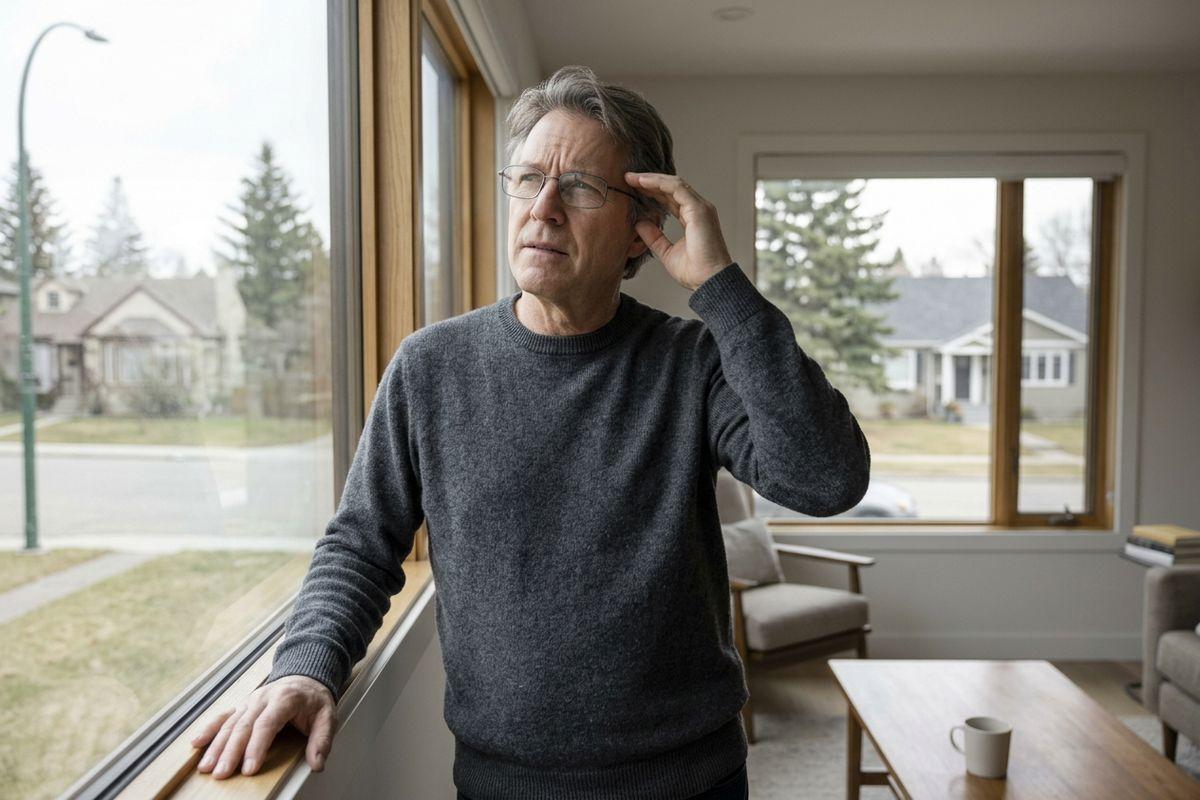
Imagine looking through a window and suddenly seeing a dark curtain creep across part of your view. That’s how many people describe the moment a retina starts to detach. It can happen quietly at first, then shift fast, and our team at Vivid Eye Care wants you to know what to look for.
A detached retina occurs when the thin layer of tissue at the back of your eye pulls away from its normal position, usually due to a tear, scar tissue, or fluid buildup, and it requires prompt care from an eye doctor. Knowing the causes and warning signs can help you protect your vision and act quickly if something feels off.
What Is a Detached Retina?
Your retina is the layer of tissue lining the back of your eye. It captures light and sends images to your brain, letting you see the world around you. When the retina pulls away from the back of the eye, it can no longer do its job properly.
This condition is considered an eye emergency. Every part of the retina needs a steady connection to work, and any separation can affect your vision quickly.
What Are the Main Causes of Retinal Detachment?
Retinal Tears and Holes
The gel inside your eye, called the vitreous, shrinks naturally as you age, and as it shrinks, it can tug on the retina and cause a small tear. Once a tear forms, fluid can seep underneath the retina and cause it to separate from the back of the eye.
Scar Tissue Pulling on the Retina
Scar tissue inside the eye can also pull the retina away from its normal spot. This is often linked to uncontrolled diabetic eye disease, where changes in the eye over time lead to scar tissue formation. As that tissue tightens, it drags the retina along with it.
Fluid Buildup Without a Tear
Sometimes fluid collects under the retina without any tear at all. This type of detachment is linked to other eye conditions, such as macular degeneration or inflammation inside the eye, and the fluid pushes the retina out of place even though there’s no visible hole.
Who Is More Likely to Get a Detached Retina?
While it is possible for anyone to experience a detached retina (though rare in children), certain factors can raise your risk, including:
- Adults between 40 and 70 years old face a higher risk.
- Extreme nearsightedness, or myopia, can raise your chances of retinal detachment.
- A past eye injury or previous eye surgery can also increase risk.
Family History and Past Eye Issues
If you’ve had a retinal detachment in one eye before, your other eye carries a higher risk too. Family members who’ve experienced retinal detachment can also raise your own chances. People with high myopia are at a greater risk since thinning areas in the retina can go unnoticed without a checkup. Regular comprehensive eye exams are essential for detecting these changes early.
What Are the Warning Signs to Watch For?
A retinal detachment is considered a medical emergency, so please seek help if you notice:
- Sudden floaters or specks drifting across your vision
- Flashes of light, especially at the edges of your sight
- A shadow or curtain effect covering part of your vision
Can It Happen Suddenly?
Yes, symptoms often appear without warning. One moment your vision feels normal, and the next you notice new floaters or flashes or a shadow creeping in. These changes can worsen fast, so quick action matters.
When Should You See an Eye Doctor?
A detached retina is usually painless, which can make it easy to brush off. However, the lack of pain doesn’t make it any less serious. Delayed care raises the risk of lasting vision loss, so any sudden change in your sight deserves attention right away.
Regular checkups help your eye doctor catch early changes in the retina, often before they turn into an emergency. Routine visits, including a comprehensive eye exam, give our team a chance to look for thinning areas or early warning signs you might not notice on your own.
Eye Care Support in Cranston Market and Meadows Mile
Finding an eye doctor in Cranston Market or Meadows Mile for regular checkups can help you stay ahead of changes to your retina and overall vision. Community programs like Vivid Rewards and Vivid Gives Back also connect patients with ongoing support and giving-back initiatives, adding value beyond the exam chair.
Your vision deserves attention at every stage of life. Vivid Eye Care welcomes families, children, adults, and adults 65+ for checkups and eye care guidance. Book an appointment today to keep your eyes on track.