

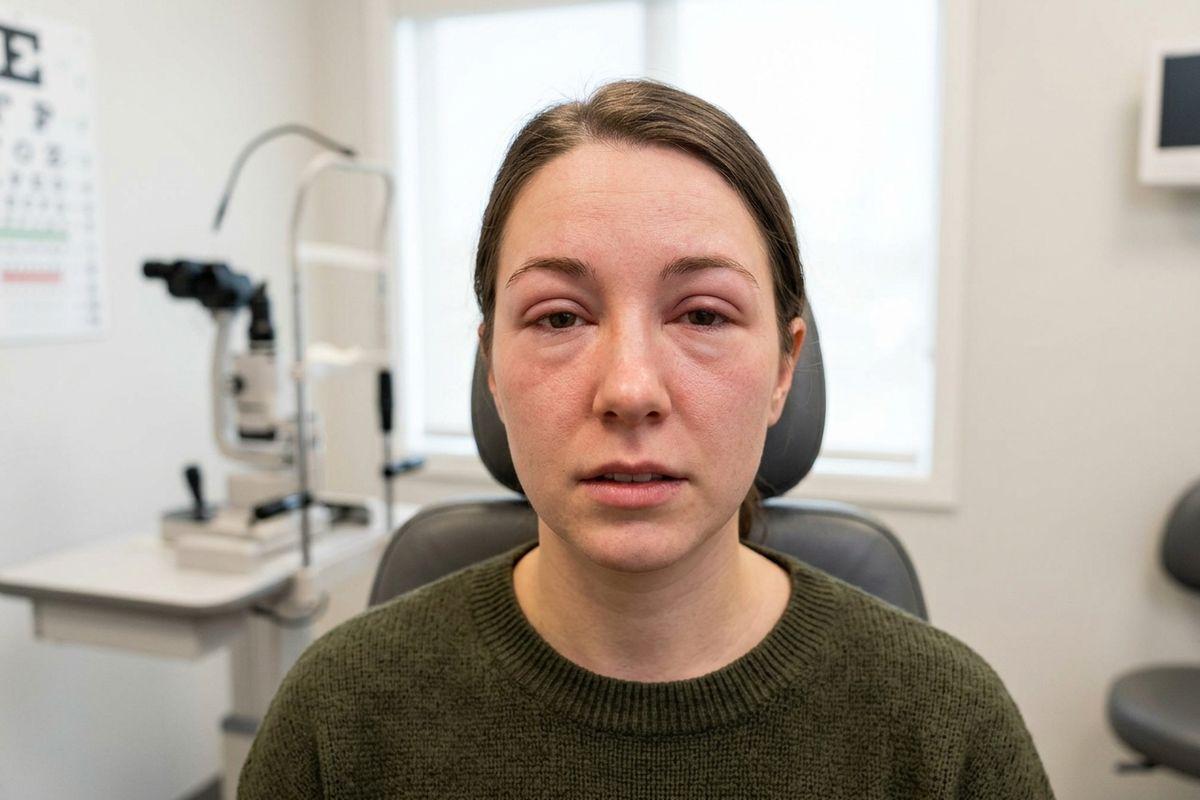
Crusty, red, swollen eyelids can be alarming, especially when they show up out of nowhere. And once the irritation sets in, one question tends to follow right behind it: is this something you can pass to someone else like pink eye, or pick up from them?
The short answer: blepharitis isn’t contagious. It develops from what’s already happening on your own eyelids, not from contact with another person, so there’s no need to worry about passing it along to family, friends or coworkers.
Instead, you should understand what blepharitis actually is, what triggers it, and how to keep it from disrupting your routine.
What Blepharitis Actually Is
Blepharitis is inflammation along the edge of your eyelids, right where your lashes grow. It affects the tiny oil glands in that area, and when those glands get blocked or stop working properly, irritation follows.
Red, crusty, or swollen lids are common signs, and they tend to feel worse first thing in the morning.
Blepharitis can affect anyone, from kids to seniors. It also tends to come and go rather than clearing up for good after 1 round of treatment.
Types of Blepharitis
Blepharitis shows up in 2 forms depending on where the inflammation sits:
- Anterior blepharitis affects the outer edge of the eyelid where the lashes attach. It’s often linked to bacteria or Demodex mites that live along the lash line.
- Posterior blepharitis affects the inner edge of the eyelid. It connects to blocked meibomian glands, the oil-producing glands that help keep your tear film stable.
Can You Catch Blepharitis from Someone?
Red, swollen, and crusty eyelids can look a lot like an eye infection from the outside. That appearance makes people assume it must be something you can catch.
Blepharitis does not spread from person to person. The bacteria sometimes involved already live on everyone’s skin naturally. It’s the overgrowth or imbalance of those bacteria on your own eyelids that contributes to the problem, not contact with another person.
It’s easy to confuse with pink eye, which can spread between people. The two conditions share some similar-looking symptoms, so the mix-up happens often. If you’re not sure which one you’re dealing with, an optometrist can usually tell within minutes during an exam.
Signs to Watch For
Blepharitis symptoms range from mildly annoying to genuinely uncomfortable. Watch for:
- Red, swollen, or crusty eyelids when you wake up
- A gritty, burning, or itchy feeling in your eyes
- Excessive tearing or dryness throughout the day
What Triggers a Flare-Up
Several factors can tip the scale and bring on a flare. These are some of the most common ones:
- Skin conditions like rosacea or seborrheic dermatitis
- Bacterial overgrowth or Demodex mites along the lash line
- Poor eyelid hygiene
- Spending time in dry, dusty environments

How to Find Relief
The good news is that blepharitis is manageable. A combination of at-home habits and in-office care can help reduce symptoms and keep flare-ups less frequent.
Start With At-Home Care
A consistent daily routine makes a noticeable difference for most people. These steps are simple and can be worked into your morning or evening:
- Warm compresses applied to closed lids to loosen oil blockages
- Gentle eyelid wipes or hypochlorous acid spray to clean the lash line
- Omega-3 supplements to support healthy oil gland function
In-Office Treatments
When at-home care isn’t enough, an eye doctor can offer deeper cleaning and targeted treatment.
- BlephEx or ZEST procedures for thorough eyelid margin cleaning
- Prescription antibiotic or anti-inflammatory drops to help manage more persistent cases
Dry eye therapy can also pair well with blepharitis care, since the two conditions often overlap.
Keep Flare-Ups From Coming Back
Blepharitis tends to recur, but a consistent routine can stretch the time between flare-ups. Daily eyelid cleaning is the single most reliable thing you can add to your routine.
Avoid sharing towels, washcloths, or eye makeup with others, not because blepharitis spreads, but because shared items can introduce new bacteria to an already sensitive area.
Dry eye and blepharitis often show up together, so treat both at the same time if you can. An optometrist can look at the full picture and help you build a plan around your routine.
Get Your Eyelids Checked Out
If your eyelids have felt off lately, don’t wait it out. Book an eye exam and get a clear answer instead of guessing.
At Vivid Eye Care, we’ll take a real look at what’s going on and help you build a plan that fits your life. Schedule your visit in Cranston Market or Meadows Mile today and give your eyes the attention they deserve.